
Why the Right In-Home Support Helps Seniors Stay Independent Longer
Support helps seniors keep doing. Care steps in when they truly can’t.
Yes, there is a difference.
For many seniors, independence means so much more than simply living at home. It means being able to move through daily life with dignity, choice, confidence, and a sense of purpose. It means still having a say in how the day goes, still doing the things they enjoy, and still feeling like themselves.
At A Legacy Of Love Homecare, LLC, we believe one of the biggest misunderstandings about in-home care is that it is supposed to take over. In reality, the right kind of in-home support should do the opposite. It should help older adults continue doing as much as they can for themselves, while receiving support in the areas where they need a little extra help.
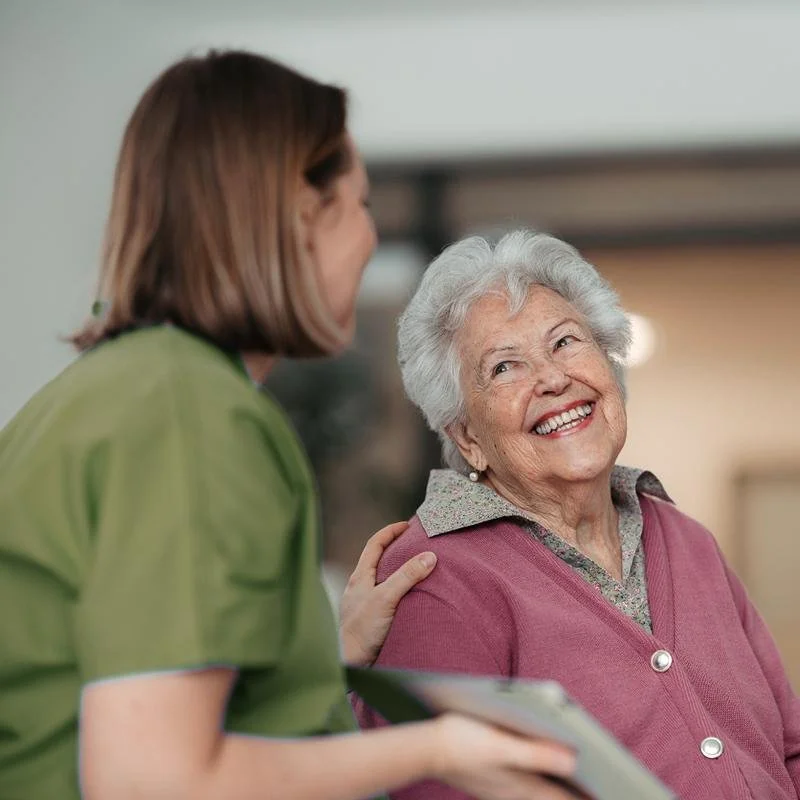
That difference matters more than many families realize.
Independence Is Not About Doing Everything Alone
One of the most important things families should understand is that independence does not mean a person has to do absolutely everything on their own without assistance. Many seniors are still capable, engaged, and active in their own lives, but certain tasks may start to feel more tiring, more time-consuming, or a little harder than they used to.
That does not always mean they need someone to come in and “do everything for them.”
Often, what they really need is support.
True support means being there to assist where and when help is needed. It means offering aid without replacing the person’s own efforts. It means helping in a way that allows the senior to remain active in their own care and daily routine, rather than becoming passive in it.
When support is provided this way, seniors are often able to maintain more of their confidence, more of their abilities, and more of the routines that help them feel comfortable in their own home.
Support Should Strengthen Ability, Not Replace It
In our experience, seniors tend to respond much better to support that feels respectful and balanced.
When someone still feels independent, they usually do not want to be “taken care of.” They do not want to feel as though control is being taken away from them. They do not want to feel like people have decided they can no longer manage their own life.
That is why the way help is introduced matters so much.
When a caregiver comes in with the goal of supporting independence, the relationship often feels completely different. Instead of taking over, they are helping the client keep doing what they can. Instead of stepping in too heavily, they are stepping in thoughtfully. Instead of replacing ability, they are reinforcing it.
This can make a major difference in whether a senior feels encouraged, respected, and open to receiving help at all.
A Simple Example: Cooking With Support
We have worked with clients who absolutely love to cook. Cooking is not just about food for them. It is part of their routine, their joy, and their sense of identity. It is something they are proud of and something they still want to do for themselves.
Over time, however, certain parts of the process may become more difficult. Chopping ingredients may feel harder. Gathering supplies from different cabinets may take more energy. Pulling everything together may start to feel tiring on some days.
That does not mean they need someone else to take over the meal.
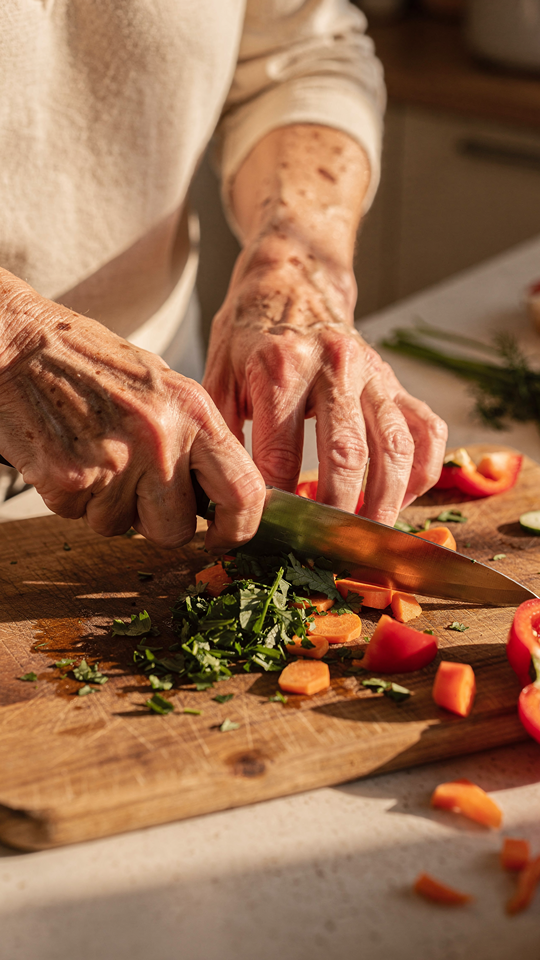
Sometimes they simply need a helping hand with the parts that have become more challenging. With the right support, they can still prepare their own meals, stay involved in the process, and continue enjoying something they love. They are still doing it for themselves. They just have assistance with the pieces that may be difficult on a given day.
This is a great example of what quality in-home support should look like. It preserves ability. It encourages participation. It protects dignity. And it helps seniors continue living life in a way that feels familiar and meaningful.
Families Often Misunderstand What Help Should Look Like
Many families start looking for care because they can tell their loved one is beginning to have some needs. They see small signs. They notice changes. They want to make sure their loved one is safe and supported.
That concern comes from a good place.
But often, families approach the situation by saying they need someone to come in and “take care of” their loved one. The problem is that many seniors do not see themselves that way, especially if they still feel capable in many areas of life.
As a result, what could have been a helpful solution quickly becomes a source of stress and resistance.
We have seen situations where family members are pushing help on a loved one who still feels independent. That can create apprehension, frustration, and sometimes flat-out rejection. By the time services start, emotions may already be high. Instead of it feeling like a smooth transition, it can feel like an uphill battle.
In many cases, the issue is not that the senior does not need support. The issue is that the support is being presented in a way that feels like a loss of independence instead of a tool to preserve it.
Early Support Can Prevent Bigger Struggles Later
On the other end of the spectrum, some families wait too long.
Sometimes the early signs are there, but because the senior is still “managing,” no support is introduced. Over time, the little things that were becoming harder start to pile up. Energy decreases. Tasks are avoided. Safety concerns increase. Small struggles become bigger ones.
At that point, the person may truly need a higher level of care because the window for early support was missed.
This is why timely support matters so much.
When seniors begin receiving the right kind of help early enough, they may be able to maintain routines, stay active, and continue functioning more independently for longer. Support does not always mean the person is in crisis. In fact, some of the best support starts before things reach that point.
Signs a Senior May Benefit From Support at Home
A senior may benefit from in-home support when they are still managing daily activities, but it is becoming more obvious that things are taking more effort than before.
Maybe they are slowing down.
Maybe they are getting tired more easily.
Maybe they can still do certain things, but it is becoming harder to keep up with all of it.
Maybe they have started expressing that everyday tasks just do not feel as easy as they used to.
These moments matter.
They may not mean someone needs full hands-on care, but they often do signal that support could make daily life easier, safer, and more enjoyable. And when help is introduced at this stage, it is often much more acceptable to the individual because it feels like assistance, not takeover.

The Emotional Side of Independence Matters Too
One of the most overlooked parts of this conversation is how seniors feel.
When support is introduced in the right way, a senior may feel relieved, encouraged, and respected. They may feel better knowing they can still do what they are able to do, while having someone there to help with the parts that are difficult.
When support is introduced the wrong way, they may feel embarrassed, defensive, or as though they are being pushed into a role they do not identify with.
That emotional difference can shape the entire experience.
In our opinion, understanding the difference between supporting independence and taking over is one of the keys to making in-home care successful. It can be the difference between cooperation and resistance. It can be the difference between a smooth, welcomed transition and an ongoing battle.
In-Home Care Can Improve Quality of Life
The right in-home support does more than help with tasks. It can improve overall quality of life.
When seniors feel supported instead of replaced, they often remain more engaged in their routines. They may continue participating in meal preparation, household activities, personal preferences, and day-to-day decisions. They may feel more comfortable in their home, more confident in themselves, and more open to accepting help.
For families, this can also bring peace of mind. They can know their loved one has support without feeling like everything has been taken out of their hands. The goal is not to strip away independence. The goal is to protect it.
Final Thoughts
The right in-home support helps seniors stay independent longer because it meets them where they are.
It does not rush in and take over. It does not automatically assume they can no longer do for themselves. Instead, it recognizes what they can still do, respects their desire to remain involved, and provides support in the places where help is truly needed.
At A Legacy Of Love Homecare, LLC, we believe the best care often begins with this mindset: not doing everything for someone, but helping them continue doing as much as possible for themselves.
That is where dignity lives.
That is where confidence grows.
And very often, that is where independence lasts longer.